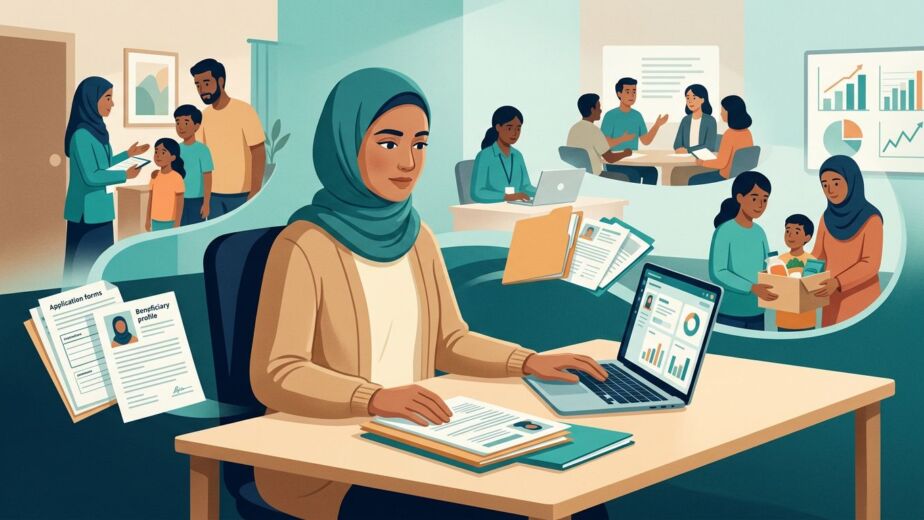
Welfare assistance rarely affects only one individual.
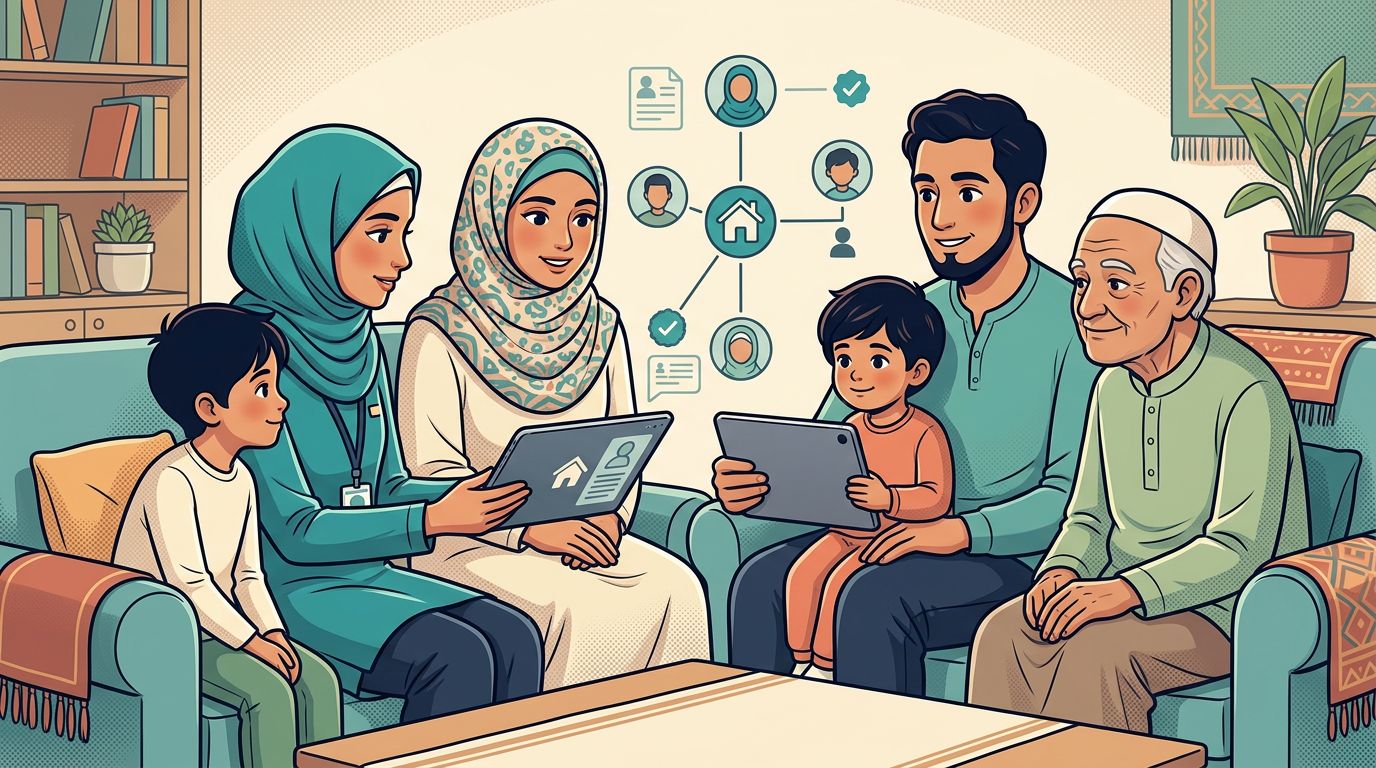
Behind almost every applicant is a wider household consisting of spouses, children, parents, dependants and other family members whose circumstances influence the assistance that may be required. This is why UmmahAid places significant emphasis on understanding family and household relationships.
Helping families- one person at a time
Rather than treating every application as an isolated record, organisations can build a clearer picture of the beneficiary’s household structure.
Case workers can identify who lives in the household, who is financially responsible for dependants, which family members are studying or working, and whether another household member is already receiving assistance.
This can dramatically improve the quality of welfare assessments.
Consider two applicants earning the same monthly income. One may be supporting only themselves, while another is responsible for five children, an elderly parent and an unemployed spouse. Looking only at income would suggest their circumstances are similar. Looking at the complete household tells a very different story.
Connected household records also help organisations avoid fragmented assistance.
If multiple members of the same family apply separately, UmmahAid can help case workers recognise those relationships and evaluate the household as a whole.
This creates better continuity between applications, assessments and assistance.
Looking at it holistically
For NGOs, understanding the complete family situation means resources can be allocated based on genuine need rather than isolated pieces of information.
Technology cannot replace the judgement and compassion of a welfare officer. But it can ensure that the person making the decision has a clearer, more complete picture of the family they are trying to help.